The report provides a comprehensive coverage on Milk category spend growth and regional spend segmentation insights, Milk price trends and Milk supply market analysis.
GET FREE SAMPLEOur category grouping process defines that the overall Food and Beverages market includes all spend relating to raw food and beverages required to prepare meals for clients and staff. If the food has been provided as a meal, then it should be excluded from this category. Dynamics of the global Milk market play out within this wider arena of Food and Beverages market. Therefore, our coverage of the Milk category also operates within this broader boundary of the overall Food and Beverages market.
Several macro changes in the dynamics of overall Food and Beverages as well as Milk procurement trends are poised to change the business practices and procurement thumb rules. Outsourcing of Milk now represents a significant part of the global spend on this category, driven by value derived and a growing number of vendors who keep innovating with new services and value propositions. Suppliers are shedding the category expert tag and moving up the value chain to offer an integrated approach to their services. With this new approach, suppliers can offer a wide portfolio of services and position themselves for large contracts that go beyond just Milk. As market presence of companies become global, there is a growing preference towards service providers who can provide services seamlessly across the globe and have excellent understanding of local regulations and culture. Category managers need to take note of the potential of these developments and reassess the changes required in their procurement practices.
As market conditions become more dynamic and procurement practices get more sophisticated, category managers need to be cognizant of the best practices that work for their Milk category procurement. The report offers a succinct analysis of Milk procurement best practices. For example, Investing in benchmarking studies that help category managers enhance their knowledge on pricing or billing rates of suppliers allows them to not only save costs, but also negotiate better with suppliers. For example, while negotiating for bundled services, they can save significantly on a single service by cross-verifying rates quoted by suppliers against industry benchmarks. Category managers must explore opportunities to integrate planning and management activities of categories using analytics, to gain better control over category spend. This will also allow them to consolidate their supply base easily, as well as to segment suppliers based on requirements and spend on each supplier. Buyers should set a baseline against which the performance of suppliers can be benchmarked along with setting measurable/quantifiable KPIs. Defined KPIs provides suppliers with clarity on the scope. Besides setting standards for operations, pricing, and performance, KPIs must provide tangible goals in terms of the quality of solutions.
Activate your free account to gain easy access to cutting edge research and insights on consumers, emerging price trends, global and regional suppliers.
Milk procurement managers also need to proactively identify and mitigate potential risks that can arise in the supply chain or contracts for Milk procurement. Some examples include:
For detailed insights and complete access to our report library, activate your free account!
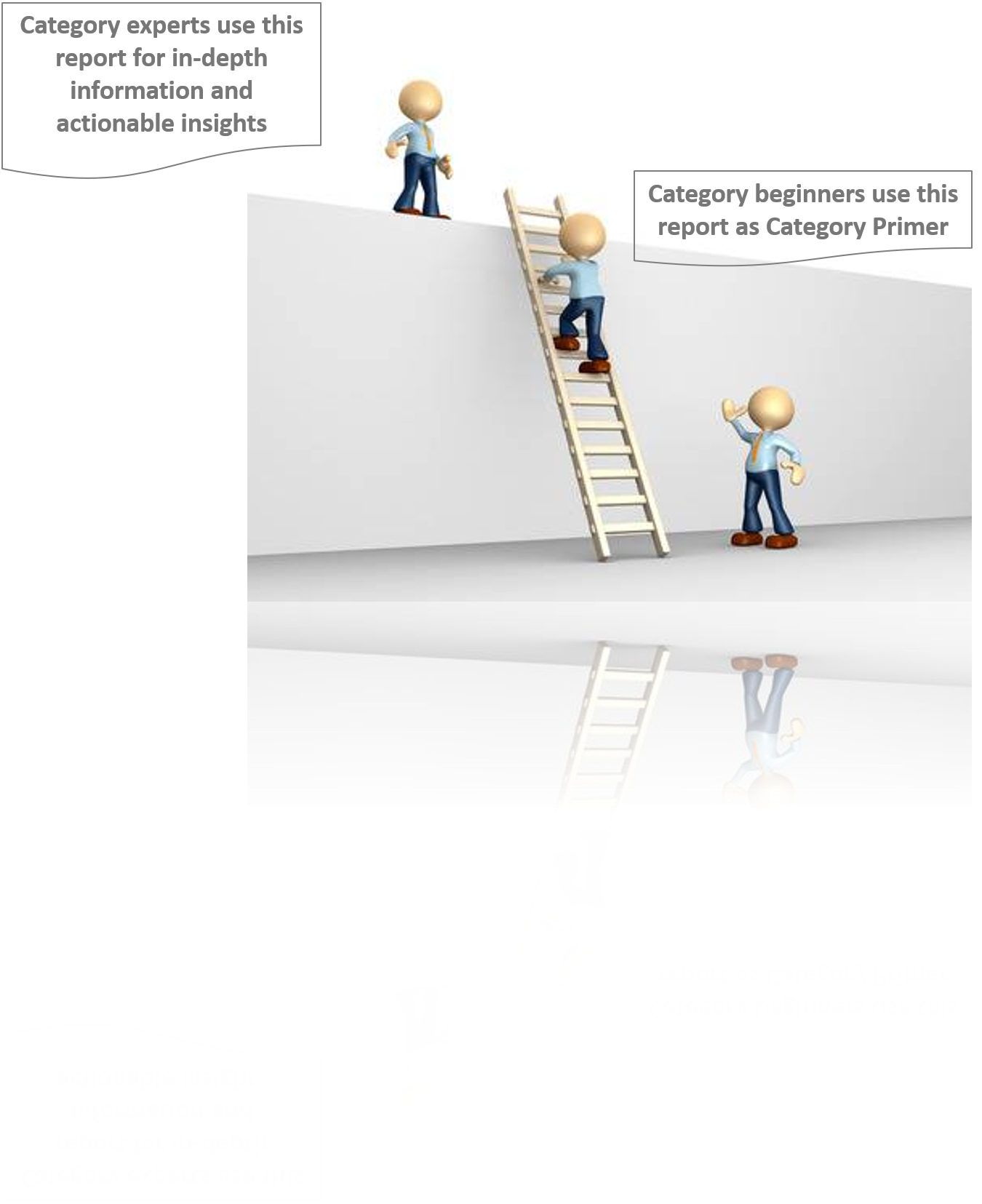
The report is intended to serve as a one-stop reference guide for Milk procurement strategy and offers a perfect blend of category basics with deep-dive category data and insights. Therefore, it is ideal for category beginners looking for “Milk: Procurement Report 101” as well as for category experts actively tracking the global Milk procurement market.
You may have just initiated your research to design a winning Milk procurement strategy, or you may be a category expert looking for strategic insights and updated data.Either ways, the report has your requirements covered.
Unlock SpendEdge's comprehensive procurement report collection with ease through our procurement platform.
Procurement decisions can prove to be costly in the absence of careful deliberation and evaluation of every available option. In fact, more than 90% of the decision makers we work with acknowledge that timely availability of up-to-date category intelligence can help them make better purchasing decisions. More than 80% of them believe that in-house category intelligence needs to be updated periodically to achieve full benefits. If you have read so far, we are quite sure you agree!!
The Milk procurement report helps take more informed decisions by placing all the critical information and advice at the fingertips of a decision maker. It also specifically answers some of the key questions that we have been routinely asked during our industry outreach initiatives:
SpendEdge Insights has helped procurement professionals and sourcing teams manage multiple spend areas and achieve more than $2 billion in savings. Activate your free account today!
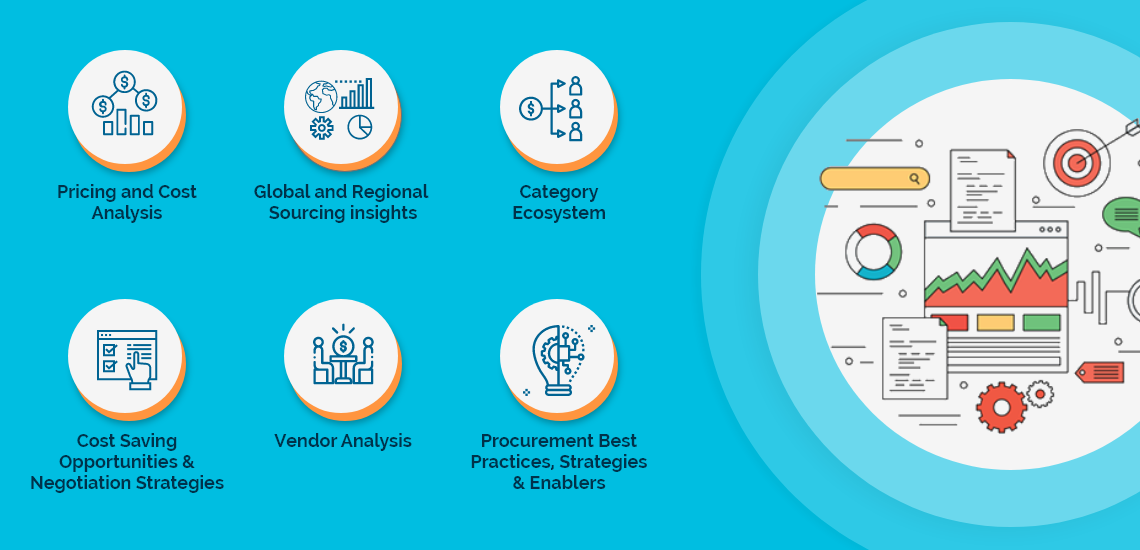
The Milk market report offers a complete picture of the supply market and analyzes the category from the perspective of both buyers and suppliers. Analysis of the category trends, procurement best practices, negotiation levers and overall category management strategy advisory are interspersed with in-depth data and commentary on spend outlook, pricing ecosystem and supplier landscape drilled down to a region-level coverage.

A key highlight of this report is the in-depth outlook created on Milk procurement spend and pricing trends. The report further delves deep into the aspects of cost structure, total cost of ownership and supplier margins for Milk. A dedicated section to supplier profiles and evaluation helps decision makers cast a wider procurement net and identify gaps in existing relationships.

Along with specific category and supplier intelligence, the publication also includes curated insights on Milk market trends, price influencers and inherent risks. These insights help the decision makers prepare for market shaping trends in advance and create alternative strategies for changes in the market conditions.

Additionally, the report also advises on the best practices and strategies to manage the Milk category efficiently. Negotiation levers and opportunities are explained in detail along with quantification of their potential. Benchmark KPIs for supplier and buyer performance management are also aggregated to better organize the category objectives. Other themes of advisory include ideal procurement organization structure, enablers to achieve KPIs or category objectives and ideal SLAs to have with suppliers.



Our research is complex, but our reports are easy to digest. Quantitative analysis and exhaustive commentary is placed in an easy to read format that gives you an in-depth knowledge on the category without spending hours to figure out “what does it mean for my company?”
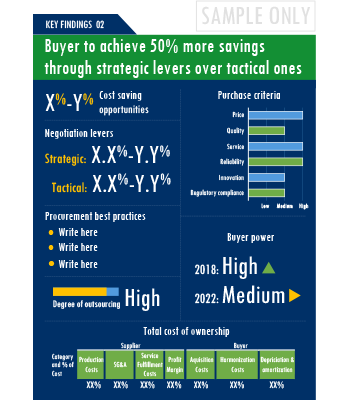
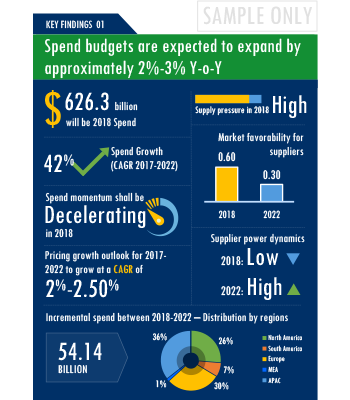
SpendEdge presents a detailed picture of Milk procurement solutions by way of study, synthesis, and summation of data from multiple sources. The analysts have presented the various facets of the market with a particular focus on identifying the key category influencers. The data thus presented is comprehensive, reliable, and the result of extensive research, both primary and secondary.

Global Butter Market - Procurement Intelligence Report
Global Cream Market - Procurement Intelligence Report
Global Yeast Market - Procurement Intelligence Report
Global Cheese Market - Procurement Intelligence Report
Global Lactose Or Lactose Syrup Market - Procurement Intelligence Report
Global Casein Market - Procurement Intelligence Report
Global Yogurt Market - Procurement Intelligence Report
Global Whey Market - Procurement Intelligence Report
Access this report and our entire procurement platform | Plans starting from USD 3000/ Year Buy Now

Copyright © 2025 Infiniti Research Limited. All Rights Reserved. Privacy Notice – Terms of Use – Sales and Subscription
Cookie Policy
The Site uses cookies to record users' preferences in relation to the functionality of accessibility. We, our Affiliates, and our Vendors may store and access cookies on a device, and process personal data including unique identifiers sent by a device, to personalise content, tailor, and report on advertising and to analyse our traffic. By clicking “I’m fine with this”, you are allowing the use of these cookies. You may change your settings based on a legitimate interest at any time, by selecting “Manage Settings” on our site. Please refer to the help guide of your browser for further information on cookies, including how to disable them. Review our Privacy & Cookie Notice.
